

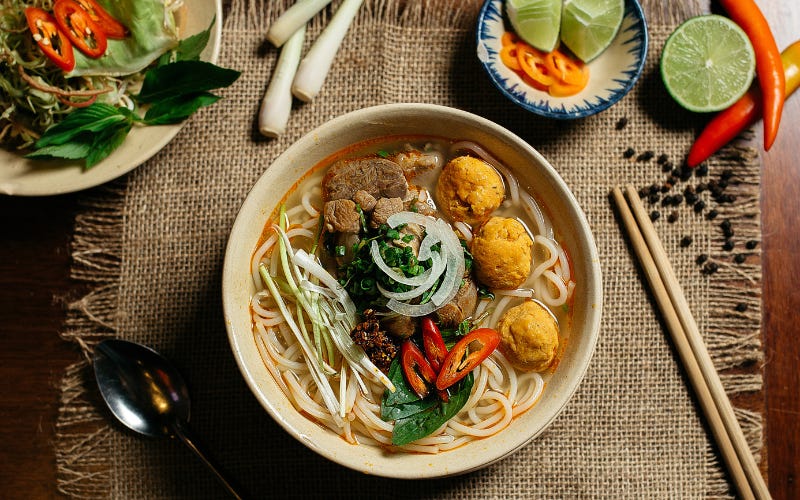
Bún Bò Huế Is More Than a Bowl of Noodles
On July 25 2026, more than 30 chefs and culinary artisans from across Vietnam gathered in Hue to prepare and serve bún bò Huế simultaneously.
The event was recognized by the Vietnam Records Organization as a record-setting culinary event and was designed to promote Hue as Vietnam’s “culinary capital.”
But the bigger story is not the record itself.
It is how a regional Vietnamese dish is becoming a cultural product that can be packaged, promoted and adapted for different markets.
Bún bò Huế is deeply connected to local culinary knowledge, traditional ingredients and communities such as the Vân Cù and Ô Sa noodle-making villages. In 2025, its traditional knowledge was officially included in Vietnam’s national list of intangible cultural heritage.
From a Bowl to “Bún Bò in One Bite”
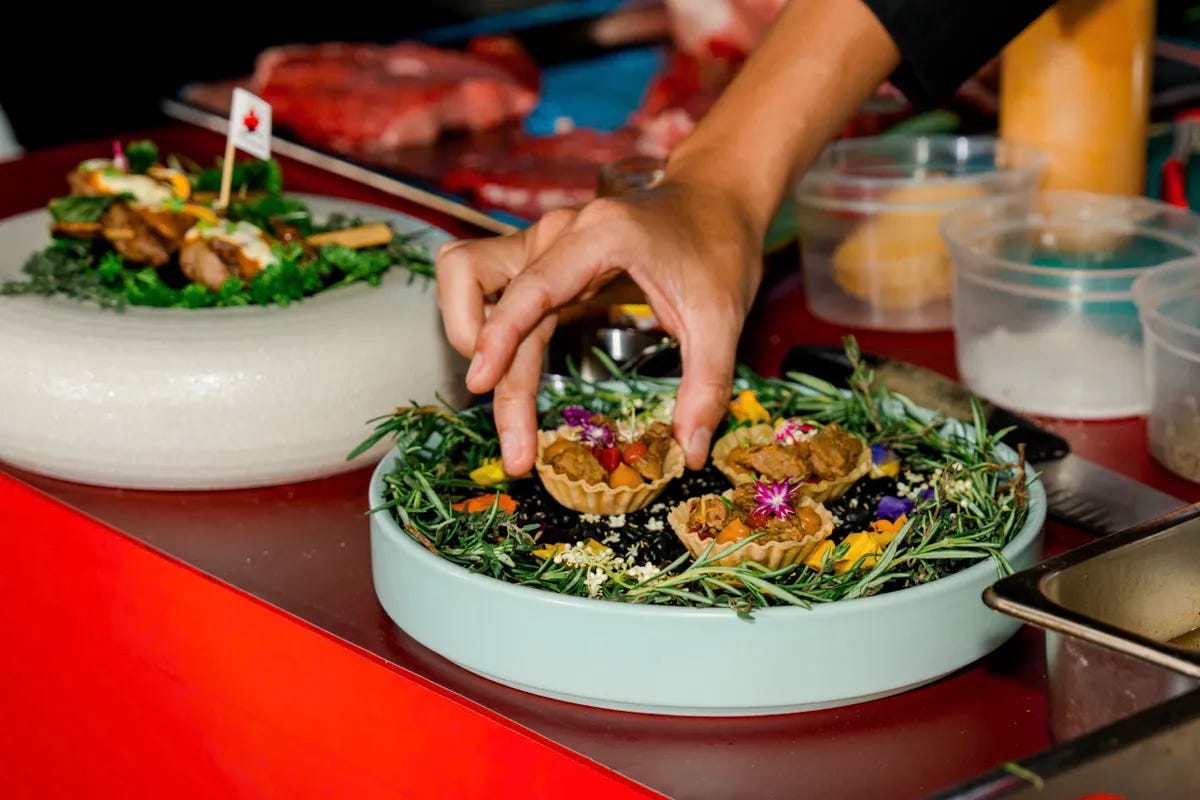
In March 2026, Vietnamese chef Trần Lê Thanh Thiện introduced a modern bún bò gel at an international culinary exchange.
Instead of a traditional bowl, the dish was redesigned as a canape:
a thin rice-flour tart shell;
seasoned beef;
concentrated bún bò broth transformed into gel;
chili sauce and other garnishes.
The result could be eaten in one or two bites without chopsticks or a spoon.
This is more than a creative presentation.
It is product adaptation.
A traditional bowl works well in a Vietnamese restaurant. An international reception, however, may require food that is portable, visually distinctive and easy to consume while standing and networking.
The lesson for Vietnamese food businesses is straightforward:
Going global does not always mean exporting the same product. It can mean redesigning the experience while preserving the product’s core identity.
There Is No Single Bún Bò Formula
Bún bò also demonstrates how food evolves when it crosses regions.
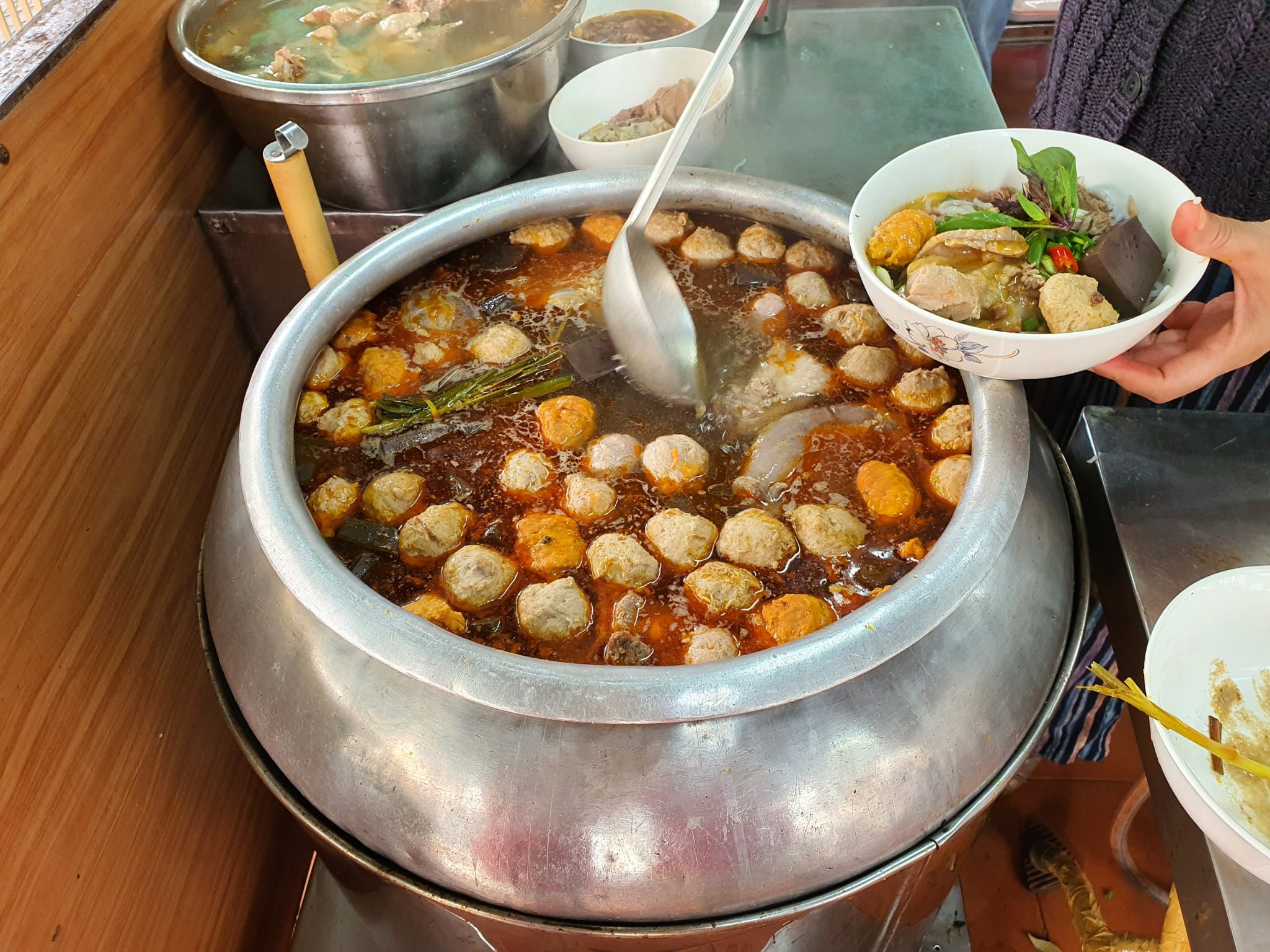
The Ho Chi Minh City Government Portal describes three major styles of bún bò in Saigon. Some maintain the Hue flavor profile, while others adjust sweetness, toppings and vegetables to suit local preferences.
This is an important lesson for food brands entering new markets.
The goal does not have to be:
“Serve exactly the same bowl everywhere.”
A stronger model may be:
Core identity → Local adaptation → Consistent brand experience
For bún bò, the core could remain its distinctive combination of beef, lemongrass, shrimp paste, broth and spice, while sweetness, spice level, toppings or serving formats can change depending on the market.
The Business Opportunity Goes Beyond Restaurants
Bún bò can potentially be commercialized across several layers:
Restaurants
Traditional dine-in and takeaway formats.
Franchising
Standardized recipes, training and operating procedures.
Packaged Food
Broth concentrates, sauces, seasonings, frozen meals and ready-to-eat products.
Tourism
Connecting food with Hue’s heritage and culinary tourism.
Manufacturing & Export
Turning Vietnamese culinary products into scalable food manufacturing businesses.
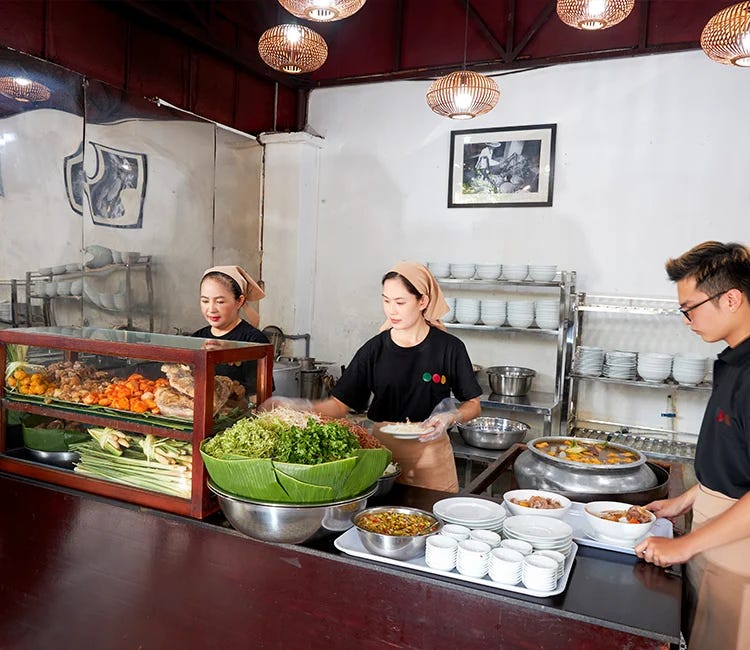
Setting up a company in Vietnam
Building a manufacturing operation in Vietnam
What This Means for Foreign Investors
For a foreign investor, bún bò may initially look like an F&B opportunity.
But the larger opportunity may sit behind the bowl.
A company seeking to scale Vietnamese food products needs to consider:
sourcing;
production;
food safety;
packaging;
quality control;
logistics;
distribution;
corporate structure;
market-entry strategy.
The operating chain becomes:
Recipe → Product → Brand → Manufacturing → Supply Chain → Distribution → Market
This is where Vietnam becomes particularly interesting.
Vietnam can be both a consumer market and a production base for companies developing Vietnamese food products for regional or international markets.
The Bigger Story
Bún bò Huế’s recent journey shows two sides of the same process.
The 2026 record-setting event represents preservation and cultural recognition.
The bún bò gel represents adaptation and innovation.
Between the two lies a much larger commercial opportunity.
Vietnamese food does not have to remain a restaurant product.
It can become a brand, packaged product, manufacturing operation, tourism experience or export category.
For Vietnamese businesses, the question is how far these products can travel.
For foreign investors, the question is how to build the operational infrastructure behind them.
Vietnam Operations helps businesses navigate that operational layer from company setup and investment structuring to manufacturing and market entry.
If you are considering an F&B, food manufacturing or China+1 investment in Vietnam, talk to Vietnam Operations about the structure and execution path that fits your business.