

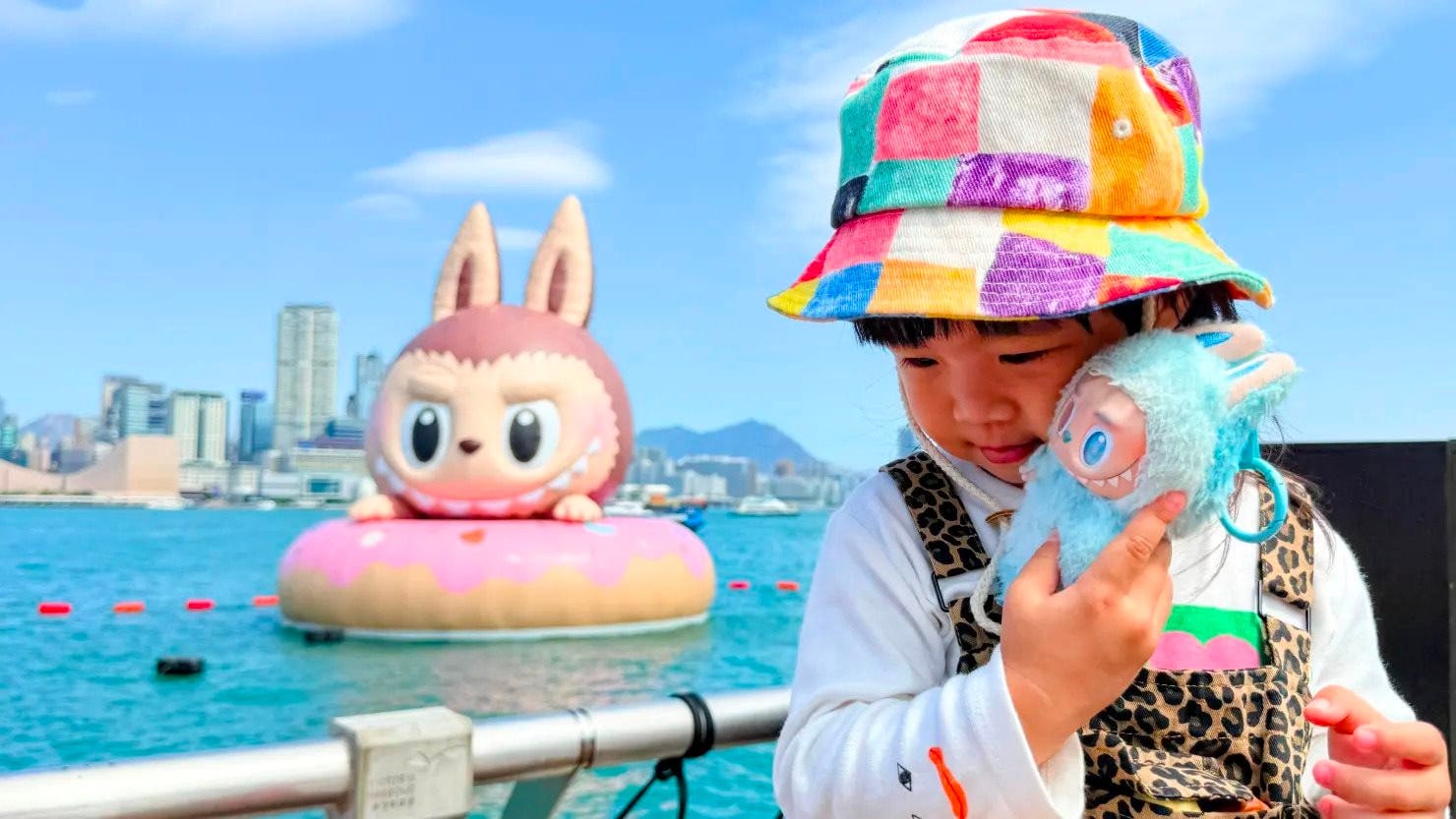
What Is the Emotional Economy?
A fundamental change is taking place in the way consumers make purchasing decisions.
In the past, the question was usually:
“Is this product good?”
Then:
“How much does it cost?”
But for a younger generation of consumers, the question is increasingly becoming:
“How does it make me feel?”
That is the foundation of the emotional economy.
The term describes an economy in which emotional value, experience, empathy, enjoyment, memories and a sense of belonging become increasingly important parts of purchasing decisions.
This helps explain why a small collectible toy can create a global community of collectors.
Why are consumers willing to buy blind boxes without knowing exactly what is inside.
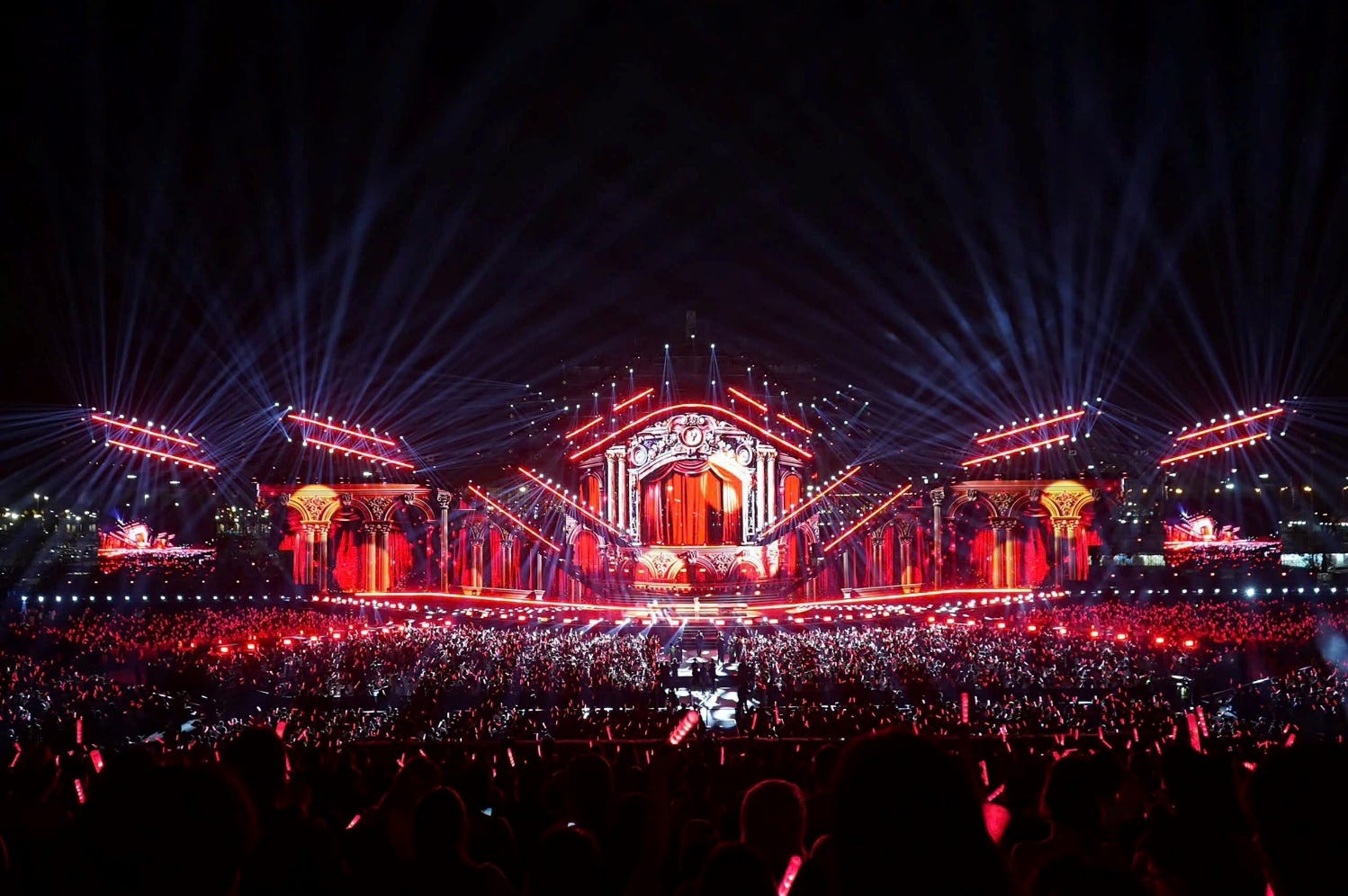
Why a concert ticket is no longer simply a ticket.
And why a travel experience is increasingly judged not only by the quality of a hotel or the price of a flight, but by the question:
“What story will I take home with me?”
VnEconomy has highlighted the rapid development of this trend among young consumers in Asia, with Gen Z increasingly spending on non-essential products that provide emotional satisfaction, entertainment and self-care.
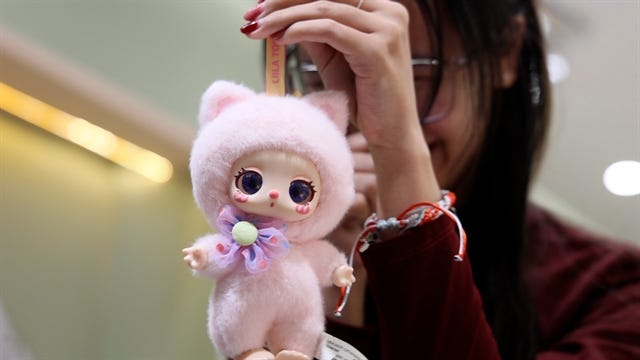
From Labubu to Blind Boxes: When Emotion Becomes a Product
One of the clearest examples is Pop Mart.
At its core, a blind box is a relatively simple product: consumers pay for a box without knowing exactly which character they will receive.
But the real value does not lie entirely in the plastic figure.
It lies in:
the anticipation of opening the box;
the collecting experience;
the excitement of finding a rare character;
the community of people with similar interests;
childhood nostalgia;
personal identity and self-expression;
and the feeling of owning something others also want.
Research into blind-box consumer psychology cited by Tuổi Trẻ suggests that the element of surprise and anticipation can activate the brain’s reward system, helping explain why consumers continue purchasing.
Pop Mart then turned toys into a lifestyle brand.
This is the important part.
The company is no longer simply selling:
“A toy.”
It is selling:
A feeling + a story + a community + an identity.
And this model has moved beyond China.
Southeast Asia has become an increasingly important market for emotional-consumption products, with Pop Mart’s regional growth often cited as one of the clearest examples of the trend.
This suggests that Southeast Asia is not simply a destination for Chinese consumer trends.
The region is becoming a major market for the emotional economy.
It Is Not All About “Stress”
One common explanation for the emotional economy is that consumers are increasingly stressed.
There is some truth to this.
A 2024 Meta-Gallup survey covering more than 140 countries found that nearly one in four people globally more than 1 billion people felt lonely in their daily lives. VnEconomy highlighted this finding in its analysis of the emotional-consumption trend among younger consumers.
But explaining the emotional economy through stress or loneliness alone is not enough.
In China, some analysts argue that the trend is also connected to changes in the wealth and consumption structure of younger generations.
Younger consumers may no longer see buying a car or a home as an immediately achievable way to demonstrate success.
As traditional major purchases become increasingly expensive, some spending can shift toward smaller purchases that provide immediate gratification.
CafeBiz’s analysis of China’s emotional economy points to this shift toward affordable forms of “joy spending”, where consumers seek emotional returns from relatively small purchases.
This is an important insight for businesses.
The emotional economy is not necessarily an economy for wealthy consumers.
In fact, it can grow strongly when consumers:
cannot afford or do not want to make major purchases, but still want to reward themselves.
Where Does Vietnam Stand?
This is the question investors should be asking.
Vietnam does not yet have a clearly defined “emotional economy” market in the same way China does.
But many of its building blocks are already here.
They include:
concerts;
fandom;
fashion;
beauty;
specialty coffee;
wellness;
food experiences;
local crafts;
gaming;
collectibles;
lifestyle communities;
and tourism experiences.
These industries have one thing in common:
Customers are not only paying for a product.
They are paying for how they feel after experiencing it.
That is why a concert ticket can generate spending on:
fashion;
transportation;
hotels;
F&B;
merchandise;
beauty;
social media content;
and tourism.
A music event, therefore, no longer belongs exclusively to the entertainment industry.
It becomes an economic ecosystem.
Vietnam Has One Advantage China Cannot Simply Replicate
That advantage is local cultural identity.
Vietnam has a large pool of emotional assets that remain under-commercialized:
food;
coffee;
tea;
áo dài;
handicrafts;
music;
cinema;
history;
architecture;
festivals;
cultural traditions;
craft villages;
landscapes;
and the stories of individual destinations.
The problem is not that Vietnam lacks “content.”
The problem is:
we have not yet turned enough content into commercial experiences.
A good local dish is a product.
But a dinner that tells the story of the region, ingredients, chef and history behind the dish becomes an experience.
An áo dài is a product.
But an áo dài design experience connected to history, photography and storytelling becomes an emotional product.
A traditional craft village is a destination.
But a workshop where visitors create their own product, meet artisans and take the finished item home can become a memory product.
This is the difference between:
selling things
and
selling meaning.
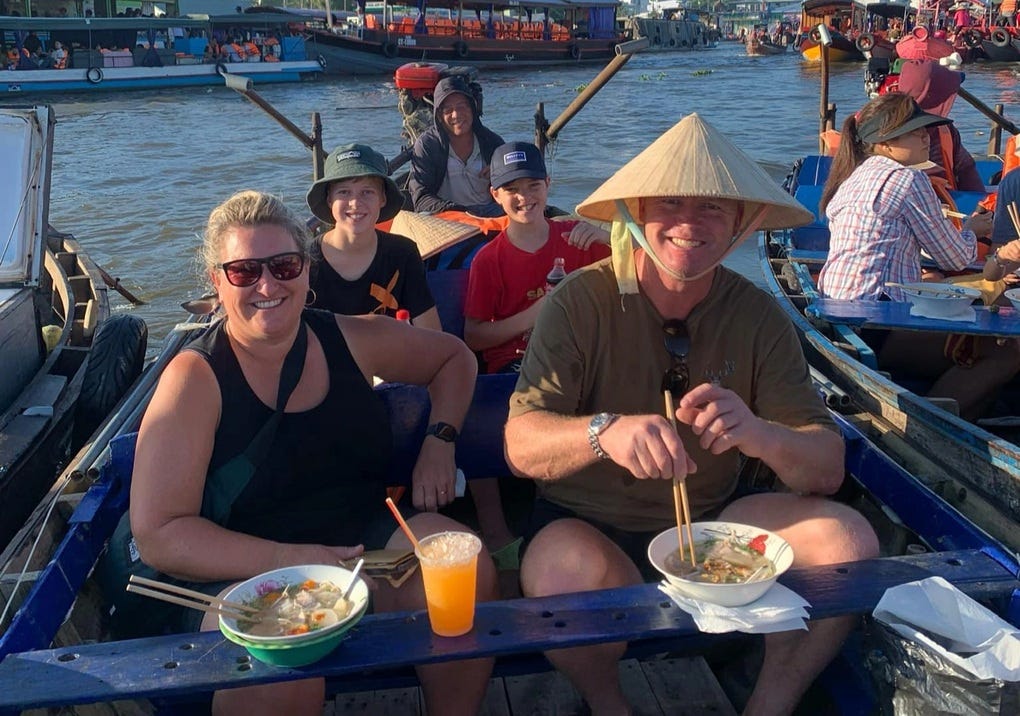
Tourism Could Be Vietnam’s Biggest Gateway to the Emotional Economy
This may be the area where Vietnam has the clearest advantage.
Vietnam’s tourism growth provides an increasingly large consumer base for experiences built around culture, identity and memory.
The connection between tourism and cultural industries is becoming an increasingly important part of the discussion around Vietnam’s next stage of economic development. Nhân Dân has specifically framed cultural industries and tourism as a potential pathway for developing an emotional economy.
But visitor numbers are not the whole story.
The bigger question is:
How much value does each visitor leave behind in Vietnam?
A low-cost tourism model may optimize for:
many visitors → low prices → high turnover.
An emotional-economy model aims to build:
less dependence on price → deeper experiences → longer stays → higher spending per visitor → stronger memories → higher likelihood of returning.
This is also increasingly reflected in discussions around Vietnam’s cultural industries and tourism: Vietnam cannot compete indefinitely on low prices and needs to compete through distinctive values that are difficult for other destinations to replicate.
Cultural Industries Could Become the Infrastructure of the Emotional Economy
This is important because the trend is not simply a marketing phenomenon.
It could become a real economic sector.
Vietnam’s cultural industries are already generating significant economic activity, while policymakers and industry observers increasingly see culture, creativity and tourism as interconnected growth engines.
This changes the way we should think about “culture.”
Culture is not only:
heritage.
It can also become:
economic infrastructure.
A film creates a fandom. The fandom creates a concert. The concert creates merchandise. Merchandise creates retail. Retail creates community. Community creates tourism. Tourism creates hospitality. Hospitality creates demand for local food, craft, wellness and entertainment.
This is the flywheel of the emotional economy.
Where Are the Opportunities for Foreign Businesses in Vietnam?
For foreign investors, this is where the issue becomes different from a typical consumer-trend article.
Businesses do not necessarily need to create a company selling “emotional products.”
The opportunity may lie in the ecosystem behind this trend.
1. Consumer Brands
International brands can localize their products through:
Vietnamese characters;
local collaborations;
limited editions;
cultural storytelling;
community events.
This is how an international product becomes a Vietnam-relevant emotional product.
2. Hospitality & Tourism
International visitors are growing rapidly, but the bigger opportunity lies in designing experiences that can:
extend visitor stays;
increase spending per visitor;
generate repeat visits;
increase direct bookings;
and build destination brands.
3. Cultural Products
Vietnamese food, crafts, fashion, music and content can become cultural exports.
But doing so requires moving from:
local product → brand → experience → IP → community → international market.
4. Digital Communities
One of the most valuable assets in the emotional economy is not inventory.
It is community.
A business that owns a strong enough community can expand from products into:
events;
subscriptions;
merchandise;
memberships;
content;
offline experiences;
partnerships.
But the Emotional Economy Has a Downside
This is something businesses should not ignore.
Emotion can create a powerful willingness to pay.
But precisely because of that, it can also be overused.
The growth of influencer commerce and livestream selling in Vietnam demonstrates how trust, admiration and parasocial relationships can be converted into purchasing behavior at extraordinary speed.
Tiền Phong has examined the emotional economy through this lens, highlighting how emotional attachment and personal influence can increasingly shape consumer behavior while also raising questions around trust and responsible consumption.
The distinction matters.
Businesses should not interpret:
“Sell emotion” = manipulate emotion.
These are two very different things.
A sustainable brand creates emotion through:
good products;
good experiences;
authentic stories;
real communities;
and genuine value.
A brand that relies only on hype has to continuously create new hype.
That is not a sustainable business model.
How Can Vietnam Build an Emotional Economy?
There are at least three layers.
Layer 1: Consumer Experience
Make products and services more memorable.
Instead of asking only:
“What does the customer need?”
Businesses should also ask:
“How does the customer want to feel?”
Layer 2: Cultural IP
Turn cultural assets into:
characters;
stories;
music;
food brands;
fashion;
games;
films;
collectibles;
tourism experiences.
Layer 3: Globalization
This is the hardest part.
A mature emotional economy does not only sell to Vietnamese consumers.
It makes foreigners want to experience Vietnam.
That could be:
A dish, a song, a film, a character, a scent, a piece of clothing, an experience, or a memory.
This is increasingly aligned with the broader discussion around cultural industries and tourism in Vietnam, where cultural identity can function not only as heritage but also as an economic and soft-power asset.
[Internal Link: China+1 and Expansion into Vietnam | Suggested Anchor Text: “why Vietnam is becoming an attractive market for new consumer and lifestyle businesses”]
What Does This Mean for Investors?
There is an important shift taking place.
In the traditional manufacturing economy, investors asked:
“What can Vietnam produce?”
In the service economy, the question became:
“What services can Vietnam provide?”
But in the emotional economy, the question becomes:
“What can Vietnam make consumers feel that they are willing to pay for?”
That is a fundamentally different question.
And it opens up a much broader set of opportunities:
entertainment;
tourism;
hospitality;
wellness;
F&B;
fashion;
beauty;
sports;
cultural products;
digital content;
gaming;
events;
education;
lifestyle communities.
Conclusion: Vietnam Does Not Lack Emotion. It Lacks Ways to Commercialize It.
The emotional economy is not a short-term trend like a viral toy.
It reflects a deeper change in consumer behavior.
As basic needs become increasingly satisfied, consumers begin looking for:
identity.
belonging.
experience.
meaning.
memory.
China is showing how large this opportunity could become.
Southeast Asia is showing how quickly the trend can spread.
Vietnam has its own advantage:
a cultural foundation deep enough to create countless experiences that other markets cannot fully replicate.
The challenge is not creating more emotion.
The challenge is turning emotion into commercially viable products, services, brands, IP and experiences that can operate at scale.
For foreign businesses looking at Vietnam, this could become one of the most important shifts in the country’s consumer market over the next few years.
Not because Vietnamese consumers will simply spend more.
But because they may start spending on completely different things.
Vietnam Operations Perspective
For investors, the question should no longer simply be:
“Is there demand for this product in Vietnam?”
Instead:
“What emotional value can this business create and can that value be turned into a scalable operation in Vietnam?”
If the answer is yes, the next step is not simply market research.
Businesses need to assess the business model, legal structure, business lines, investment capital, location, workforce, tax requirements and operational scalability in Vietnam.
Vietnam Operations helps foreign businesses assess these factors before making an investment or expansion decision.
Talk to Vietnam Operations to discuss your market entry, operating structure and implementation plan in Vietnam.