

Fandom Is Becoming Big Business
For years, fandom was treated mainly as a cultural phenomenon: people following an artist, buying albums or discussing their favorite celebrities online.
That definition is changing.
In Vietnam, fandom is increasingly becoming an economic force connecting entertainment with tourism, retail, F&B, transportation, technology and lifestyle.
A concert ticket may be the first purchase. But for many fans, it is only the beginning.
A fan traveling to Hanoi for a concert may also pay for a hotel, transportation, meals, merchandise and additional experiences. Fan communities themselves can also raise substantial amounts for LED campaigns, birthday projects and other activities.
This is why Vietnam’s fan economy deserves attention beyond entertainment.
1. From Fans to Economic Participants
Today’s fandom is more than an audience.
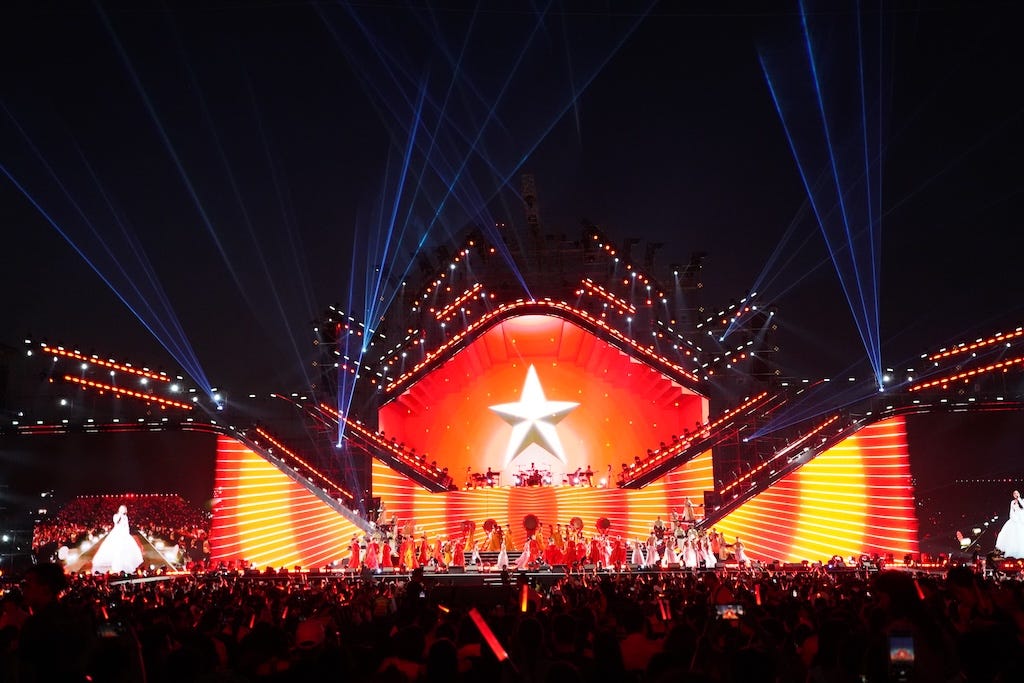
Fans create content, operate communities, promote artists, organize projects and sometimes raise hundreds of millions of dong for advertising campaigns and fan activities. Merchandise such as lightsticks, albums, T-shirts and collectibles adds another layer of spending.
The economic cycle is straightforward:
Content → Emotion → Community → Participation → Spending
The stronger the emotional connection, the more opportunities exist to extend an artist’s commercial value beyond music.
That means entertainment businesses are increasingly looking at a 360-degree IP model involving concerts, merchandise, digital platforms, partnerships and experiences.
Building a business structure for Vietnam’s growing consumer and lifestyle market
EXPAND YOUR BUSINESS IN VIETNAM
Navigate Vietnam’s market with practical insights and access to Vietnam Operations’ network of experienced professionals across market entry, legal, tax, accounting, HR, recruitment, and business operations.
Connect with Our Expert Network now.
2. A Concert Is More Than a Ticket
Vietnam’s concert market shows how quickly this economy is developing.
More than 67,000 people attended two BLACKPINK concerts in 2023, while approximately 100,000 people attended two G-Dragon concerts in 2025, according to Tuổi Trẻ.
But the real economic impact happens beyond the venue.
The combined impact could exceed VND 100 billion. This is an illustrative estimate, not a benchmark for every event.
The takeaway is simple:
A major concert can function as a temporary economic event.
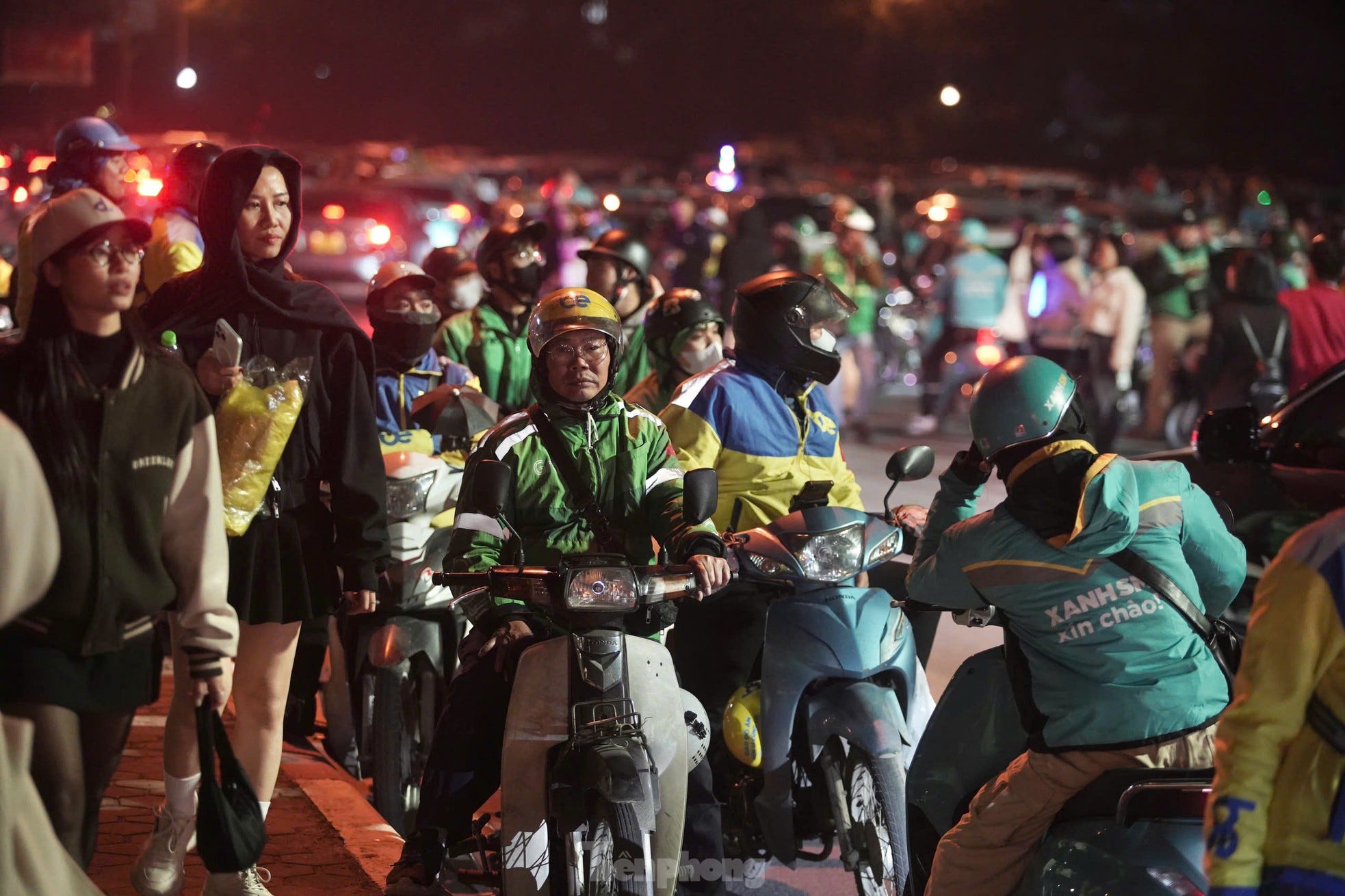
Hotels, restaurants, ride-hailing services, retailers and other businesses can all benefit from the same audience.
3. The City Becomes Part of the Fan Experience
The fan economy also creates opportunities for cities.
Tuổi Trẻ has highlighted how cafés, shopping centers and entertainment venues can become gathering points for fandoms, attracting both local fans and visitors from other cities.
The economic chain can look like:
Concert → Hotel → Restaurant → Café → Retail → Transportation
This is already visible internationally.
For BTS’s 2026 world tour launch in Goyang, South Korea, Advertising Vietnam reported approximately 30,000 international visitors and around 55.5 billion won in spending during the event period.
Vietnam does not need to replicate those numbers immediately.
The broader lesson is that cultural events can generate tourism and consumer spending far beyond the event venue.
4. Why Superfans Matter to Brands
Not every fan behaves the same way.
Some listen casually. Others buy a ticket once. Superfans may travel for an artist, attend multiple shows, collect merchandise and actively participate in the community.
This makes them commercially valuable.
Advertising Vietnam, citing Kearney Consumer Institute research, reports that around 80% of surveyed consumers said fandom brings them joy, 52% saw it as something that can be shared, and 42% associated it with a sense of belonging.
That explains why fans are willing to pay for:
VIP access;
exclusive merchandise;
signed products;
photo opportunities;
limited editions;
fan-only experiences.
The product is often not the main value.
Access and belonging are.
This also explains why traditional celebrity marketing is becoming less sufficient.
Brands need to understand the culture of the fandom before trying to monetize it what Advertising Vietnam describes as “fandom literacy.”
5. The Opportunity Goes Beyond Entertainment
Fan economy creates opportunities across multiple sectors.
Tourism & Hospitality
Concerts can generate demand for hotels, transportation and extended stays.
F&B
Restaurants and cafés can become fandom gathering points or create themed experiences.
Retail & Fashion
Merchandise, limited editions and fandom-inspired products turn identity into consumption.
Technology
Dedicated platforms can support memberships, ticketing, merchandise, content, payments and community management.
Brand Partnerships
Brands can collaborate with artists to create experiences rather than simply placing logos on advertising materials.
The opportunity is therefore much larger than “selling to fans.”
It is about participating in the ecosystem around fandom.
6. The Market Is Growing, But It Is Still Immature
Vietnam’s fandom economy remains less developed than markets such as South Korea, Japan, China and Thailand.
PGS.TS Nguyễn Văn Thăng Long of RMIT Vietnam told Tuổi Trẻ that Vietnam still trails these markets in scale, organization and commercialization, although fandom is growing rapidly, particularly among Gen Z.
Several gaps remain:
fragmented fan communities;
limited professional fandom management;
relatively weak digital infrastructure;
copyright and image-rights challenges;
transparency concerns around fan fundraising.
These gaps also represent business opportunities for companies able to provide professional solutions.
Building a business structure for Vietnam’s growing consumer and lifestyle market
EXPAND YOUR BUSINESS IN VIETNAM
Navigate Vietnam’s market with practical insights and access to Vietnam Operations’ network of experienced professionals across market entry, legal, tax, accounting, HR, recruitment, and business operations.
Connect with Our Expert Network now.
7. What Businesses Should Learn
Three lessons stand out.
1. Don’t measure fandom only by followers
A smaller but highly engaged community can be more valuable than millions of passive followers.
2. Sell experiences, not just products
Exclusive access, limited products and community experiences can create stronger willingness to pay.
3. Build trust before monetizing
Fans can quickly identify brands that are simply trying to exploit their emotional connection.
The deeper the relationship, the higher the expectations.
This is why fandom literacy should come before fandom monetization.
Vietnam Operations Take: The Real Product Is Belonging
The biggest shift is not simply that Vietnamese consumers are spending more on celebrities.
It is that they are increasingly willing to spend on belonging, identity and shared experiences.
A concert ticket buys a performance.
A VIP package buys proximity.
A merchandise item signals identity.
A trip to another city creates a shared memory.
Together, these transactions form a broader lifestyle economy.
Vietnam’s fan economy is still young. But as concerts become larger, fandoms become more organized and consumers spend more on experiences, the opportunity will extend well beyond entertainment.
For businesses, the question is no longer:
“How can we advertise to fans?”
It is:
“What role can our business play in an experience that fans already value?”
Building a business structure for Vietnam’s growing consumer and lifestyle market
EXPAND YOUR BUSINESS IN VIETNAM
Navigate Vietnam’s market with practical insights and access to Vietnam Operations’ network of experienced professionals across market entry, legal, tax, accounting, HR, recruitment, and business operations.