

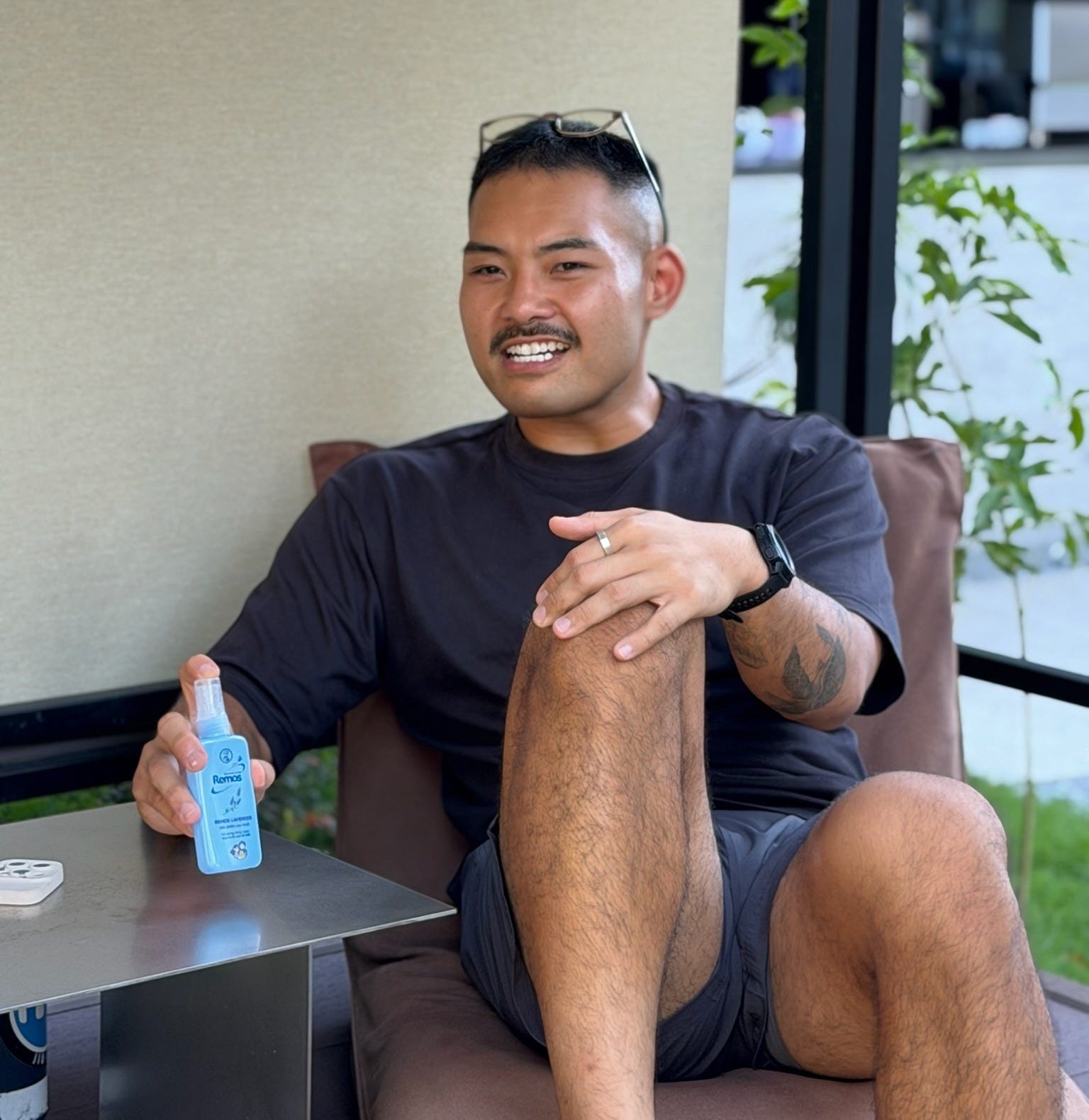
Why one overseas Vietnamese entrepreneur believes Vietnam’s next growth opportunity isn’t another gym but a new way of thinking about recovery.
Vietnam’s fitness industry has expanded rapidly over the past decade. New gyms, boutique studios, and fitness chains continue to appear across major cities as more Vietnamese embrace active lifestyles.
But for Tran James, an Australian Vietnamese entrepreneur, one part of the equation still feels largely overlooked.
“What happens after the workout?”
That question became the starting point for Somni, a wellness center in Ho Chi Minh City focused not on exercise itself, but on recovery, longevity, and preventive health.
Bringing a Western Wellness Model to Vietnam
Born and raised in Australia, James spent part of his childhood in Vietnam before returning to Australia to study and build his career. For nearly ten years, he worked as a massage therapist specializing in musculoskeletal treatment and physical recovery.
Through that experience, he noticed a growing trend in Western countries: wellness was no longer just about fitness. Recovery had become part of everyday health management.
Technologies such as oxygen therapy, red light therapy, saunas, and cold plunge pools were increasingly used not only by professional athletes, but also by office workers, entrepreneurs, and people simply looking to maintain long-term health.
After returning to Vietnam around 18 months ago, he saw an opportunity to introduce that concept to a market where it remains relatively new.
Instead of opening another traditional gym, James launched Somni around the idea of Longevity Wellness helping people recover better, reduce stress, and invest in their health before problems appear.
A Different Kind of Customer Experience
Somni officially entered its soft-opening phase earlier this year in Ho Chi Minh City’s District 2.
Today, around 80% of its customers are expatriates who have previously experienced similar wellness concepts overseas.
The business also avoids one common practice in Vietnam’s fitness industry: locking customers into long-term contracts.
Instead, membership options are designed to remain flexible, reflecting the lifestyles of entrepreneurs and professionals who frequently travel between cities or countries.
For James, wellness isn’t just about technology.
It’s also about service.
His vision is for every customer to feel personally recognized from staff remembering names to understanding individual preferences and wellness goals.
Building in Vietnam: Fast Construction, Slow Paperwork
Like many overseas Vietnamese founders, James found Vietnam to be a country of contrasts.
Construction moved remarkably quickly, allowing the project to come together faster than he expected.
Administrative procedures, however, proved to be a different story.
Licensing, tax processes, and government paperwork remain heavily dependent on physical documents, creating a slower experience than the digital systems he had become accustomed to in Australia.
He also found it challenging to identify contractors who fully understood international design standards and could translate Western wellness concepts into finished spaces.
Beyond Opening One Center
For James, Somni is only the beginning.
His long-term goal is to develop the brand into a premium wellness concept integrated with resorts and hospitality destinations across Vietnam over the next few years.
More importantly, he hopes to introduce a different mindset toward health.
Rather than treating wellness as something people think about only after injuries or illness, he believes recovery, preventive care, and longevity will become increasingly important as Vietnam’s middle class continues to grow.
The Bigger Picture
James’ journey reflects a broader trend that Vietnam is seeing today.
Many overseas Vietnamese are returning not simply to invest capital, but to bring back business models, operational standards, and consumer ideas shaped by years abroad.
Some of those ideas require education before they can scale.
But as Vietnamese consumers become wealthier and more health-conscious, concepts like preventive wellness may no longer be niche they could become part of the country’s next wave of lifestyle businesses.
For entrepreneurs returning home, the opportunity may not lie in reinventing Vietnam’s market.
It may simply be introducing what already works elsewhere and adapting it to local habits.