

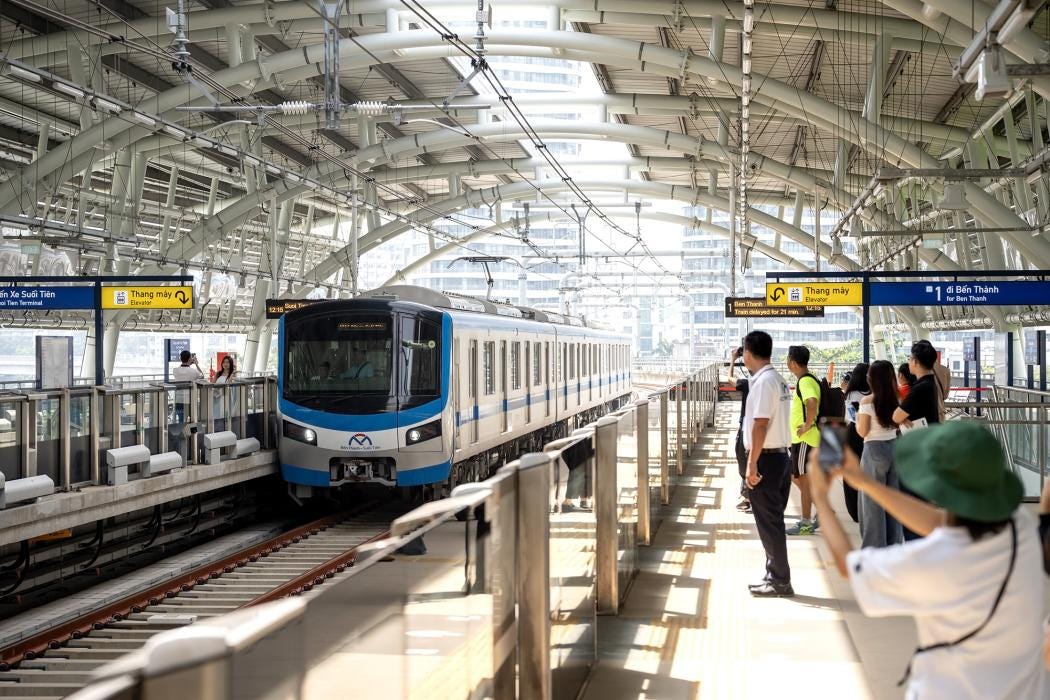
For years, Vietnam’s infrastructure bottleneck has been one of the biggest operational challenges for businesses. Now, Ho Chi Minh City is making another difficult but important decision: accept short-term traffic disruption to accelerate long-term urban mobility.
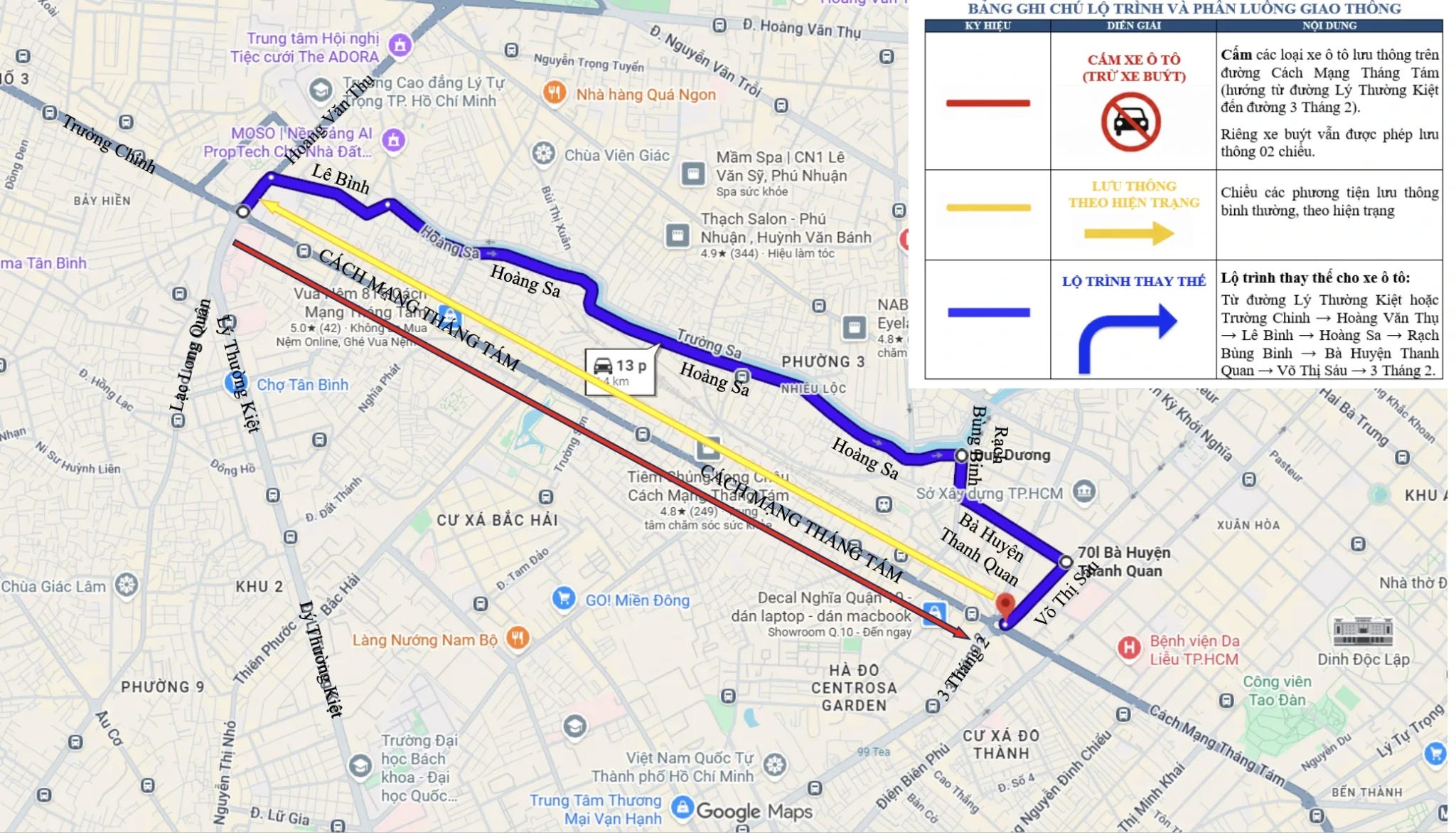
Starting 13 August 2026, cars will no longer be allowed to travel in one direction on a key section of Cách Mạng Tháng Tám (CMT8) one of the city’s busiest north-south corridors to make way for the construction of Metro Line 2 (Bến Thành – Tham Lương).
For commuters, it means detours and congestion.
For businesses, it signals something much bigger.
Metro Construction Is Entering a New Phase
According to the Ho Chi Minh City Department of Construction, from 13 August, cars will be prohibited from traveling on Cách Mạng Tháng Tám in the direction from Lý Thường Kiệt Street toward 3 Tháng 2 Street. Buses will continue operating in both directions, while other vehicles will follow newly designated traffic routes.
The traffic adjustment is designed to support the construction of Metro Line 2, particularly the underground station works around Lê Thị Riêng and surrounding sections. The city expects construction activity to intensify throughout the coming months.
Why This Matters Beyond Traffic
Many companies see road closures as temporary inconveniences.
Operations teams should see them as signals of urban transformation.
Metro Line 2 is more than another transportation project. It is expected to connect the city center with western districts, improve commuting efficiency, and reshape commercial activity along its corridor over the next decade.
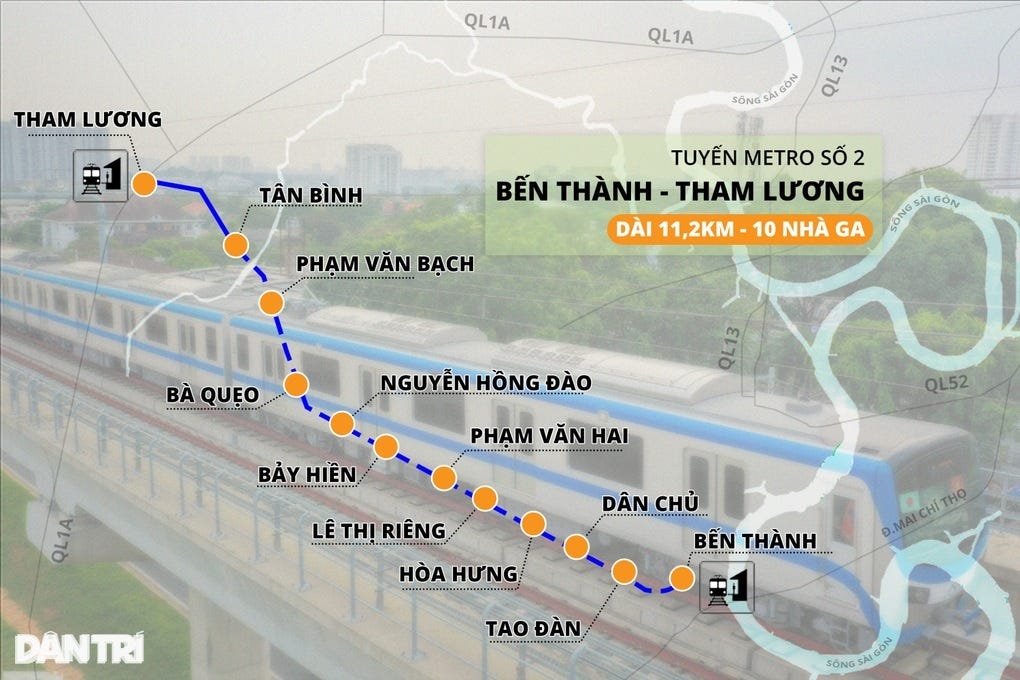
Like Metro Line 1 before it, businesses located near future stations may eventually benefit from:
Higher pedestrian traffic
Rising commercial property values
Better employee accessibility
New retail opportunities
Faster cross-city mobility
But before those benefits arrive, companies must navigate a prolonged construction period.
What Businesses Should Consider
1. Logistics May Need Replanning
Companies relying on deliveries through central Ho Chi Minh City should expect:
Longer travel times
Alternative routing
Higher transport costs during peak hours
Businesses with time-sensitive operations may need to update delivery schedules before the traffic changes take effect.
2. Employee Commutes Could Become Less Predictable
Many offices around District 3, District 10, Tân Bình, and nearby areas rely heavily on Cách Mạng Tháng Tám.
Employees commuting by car or ride-hailing services may experience longer journeys, making flexible work hours or hybrid arrangements more valuable during construction.
3. Retail Businesses Face Both Risks and Opportunities
Construction often reduces spontaneous vehicle traffic.
However, businesses that remain accessible to pedestrians and bus passengers can retain customer flow, especially if they actively communicate updated access routes.
Meanwhile, investors often view metro construction periods as the beginning of long-term location upgrades.
Vietnam Is Building for the Next Decade
Major infrastructure projects rarely happen without disruption.
Road closures, construction fences, and traffic diversions are often the visible costs of long-term urban investment.
Metro Line 2 represents another step in Ho Chi Minh City’s effort to modernize public transportation and reduce dependence on road traffic.
For businesses operating in Vietnam, these temporary inconveniences are also indicators of where future economic activity may become increasingly concentrated.
The companies that adapt early often benefit most when the infrastructure is finally completed.