

A concert is usually measured by one number: how many tickets were sold.
But Phùng Khánh Linh’s Giữa Một Vạn Tour offers another way to look at Vietnam’s growing live entertainment market.
Fans are not simply paying to listen to music.
They are paying to enter a world that an artist has built.
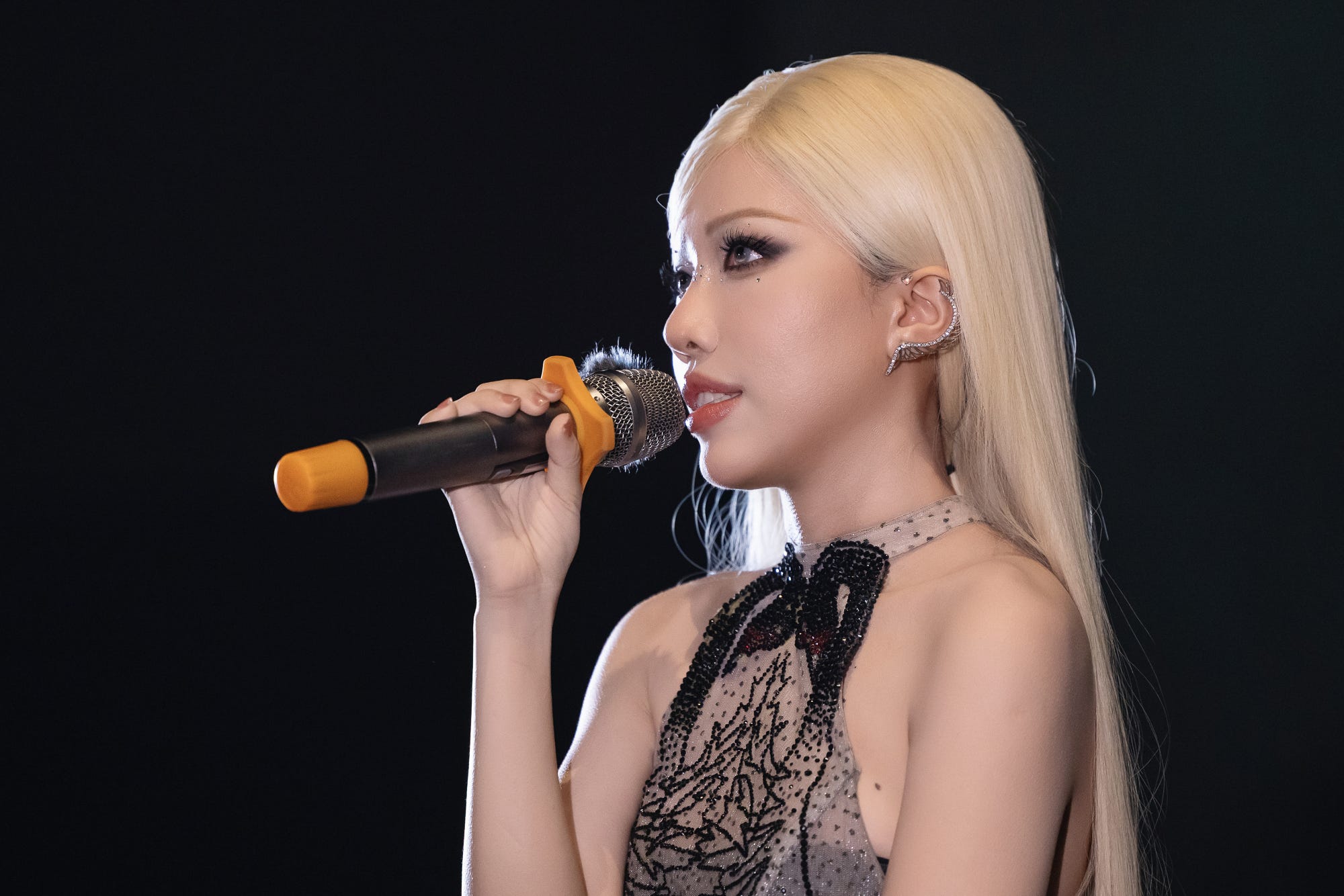
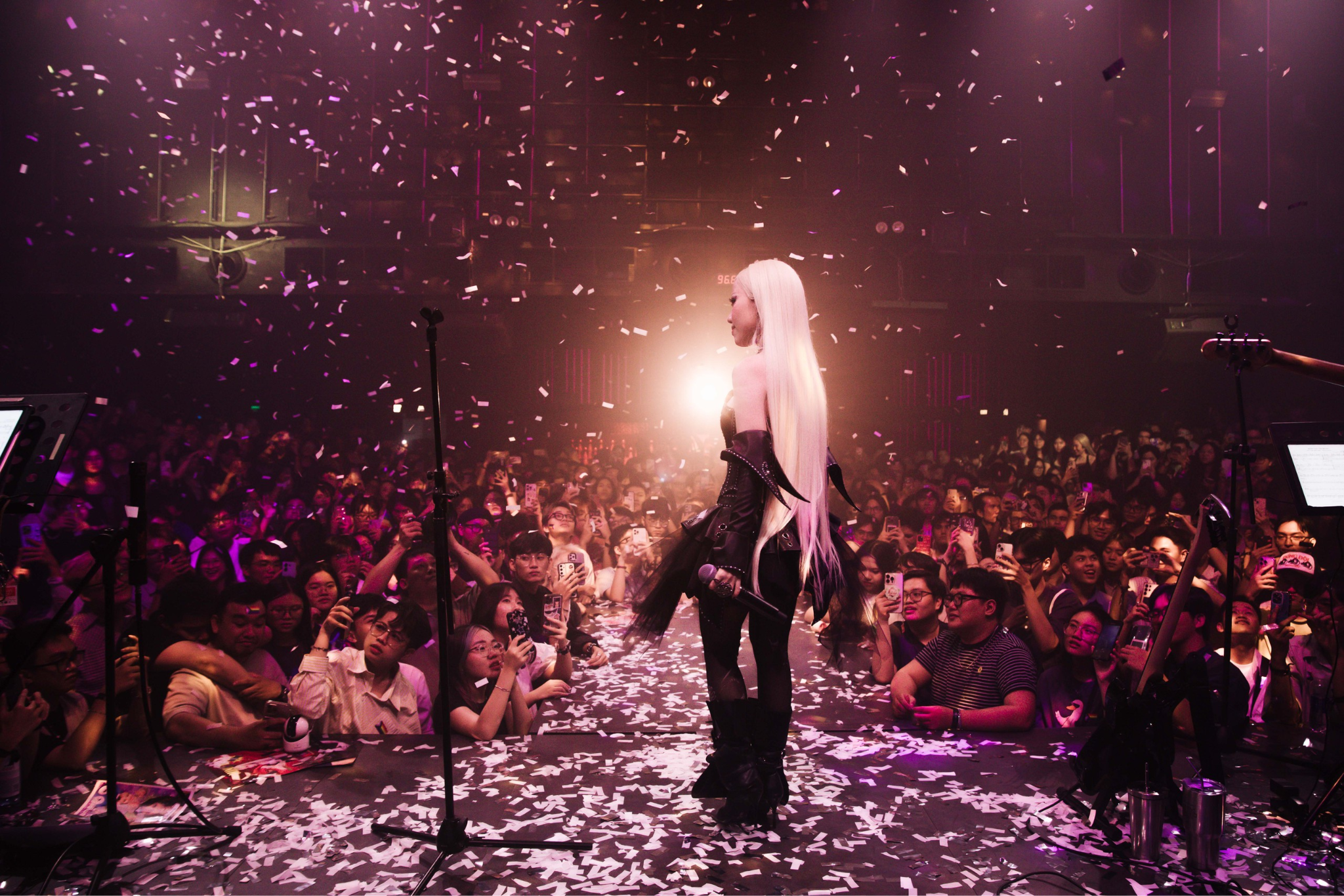
On August 8, 2026, Phùng Khánh Linh performed for more than 4,000 people at the National Convention Center in Hanoi.
The show lasted more than two hours and included 25 songs, most of which she wrote herself. There were no guest singers or MCs. Linh led the audience through the entire story herself.
This makes the concert more than a music event.
It is also a small but interesting case study in community, consumer spending, and Vietnam’s experience economy.
From One Hit Song to an Artist Brand
Phùng Khánh Linh became widely known after The Voice Vietnam in 2015 and later made her mark with Hôm Nay Tôi Buồn Today I’m Sad.
But her career did not stop with one successful song.
She released Yesteryear in 2020, followed by Citopia in 2022 and Giữa Một Vạn Người in 2025.
Across these releases, one thing has remained consistent: her focus on love, loneliness, loss, memories, and personal growth.
That consistency matters.
Linh is not only building an audience.
She is building an identity.
And a strong identity can become the foundation for a strong community.
When Music Becomes an Experience
What makes Giữa Một Vạn Tour interesting is how the show was designed.
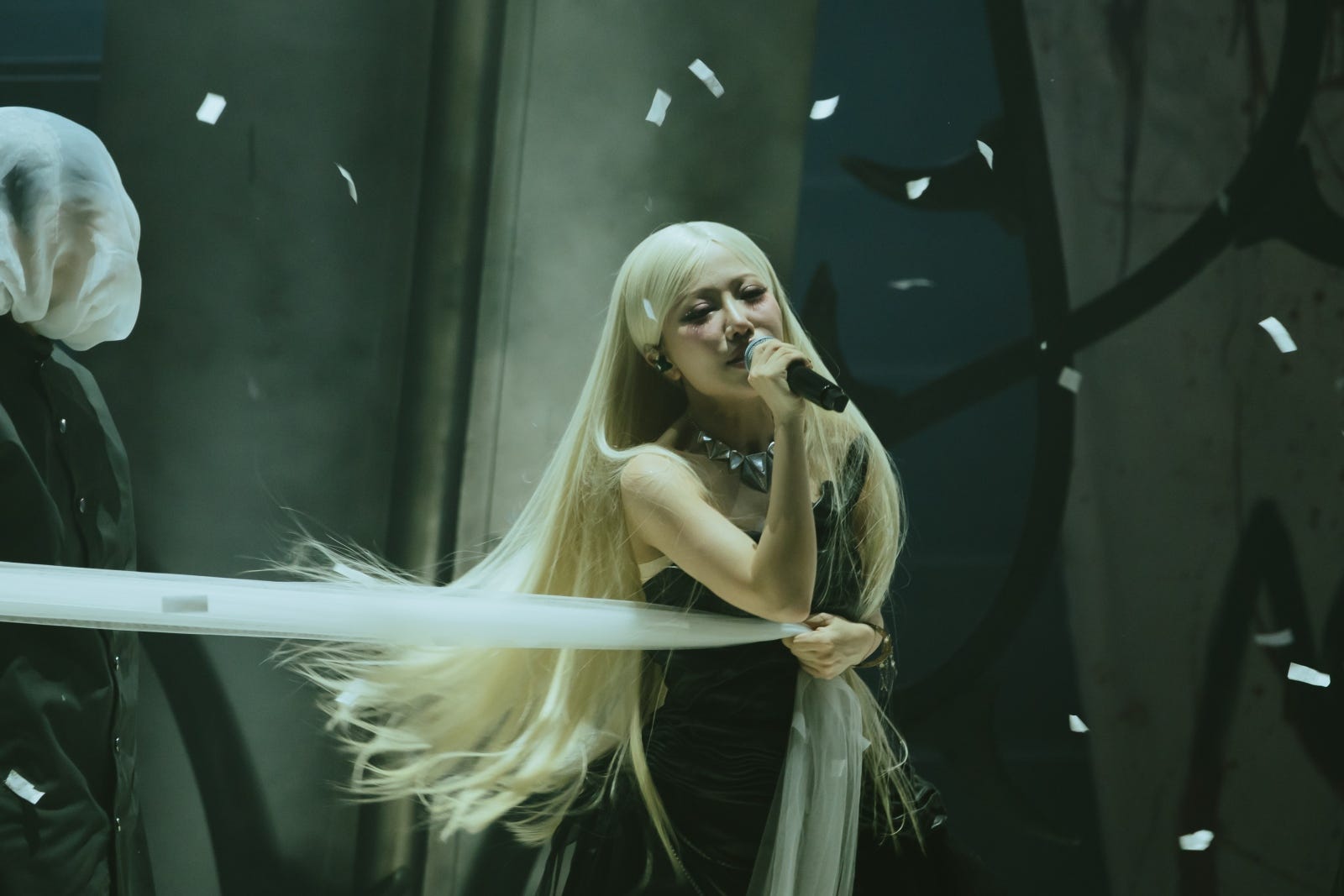
According to VTV, the 25 songs were divided into four parts, taking the audience through loss, memories, pain, and finally acceptance and gratitude.
VnExpress described the stage as a dark, gothic-style space, using light, movement, ballet, and visual design instead of relying only on large LED screens.
Thanh Niên also highlighted the giant black swan that carried Linh onto the stage at the beginning of the show.
The idea is simple:
An album sells music.
A music video sells an image.
A concert sells an experience.
When that experience is strong and consistent, people are not only buying a product.
They are buying a feeling.
And, increasingly, they are buying a sense of belonging.
“Hôm Nay Tôi Buồn” and the Value of Emotional Connection
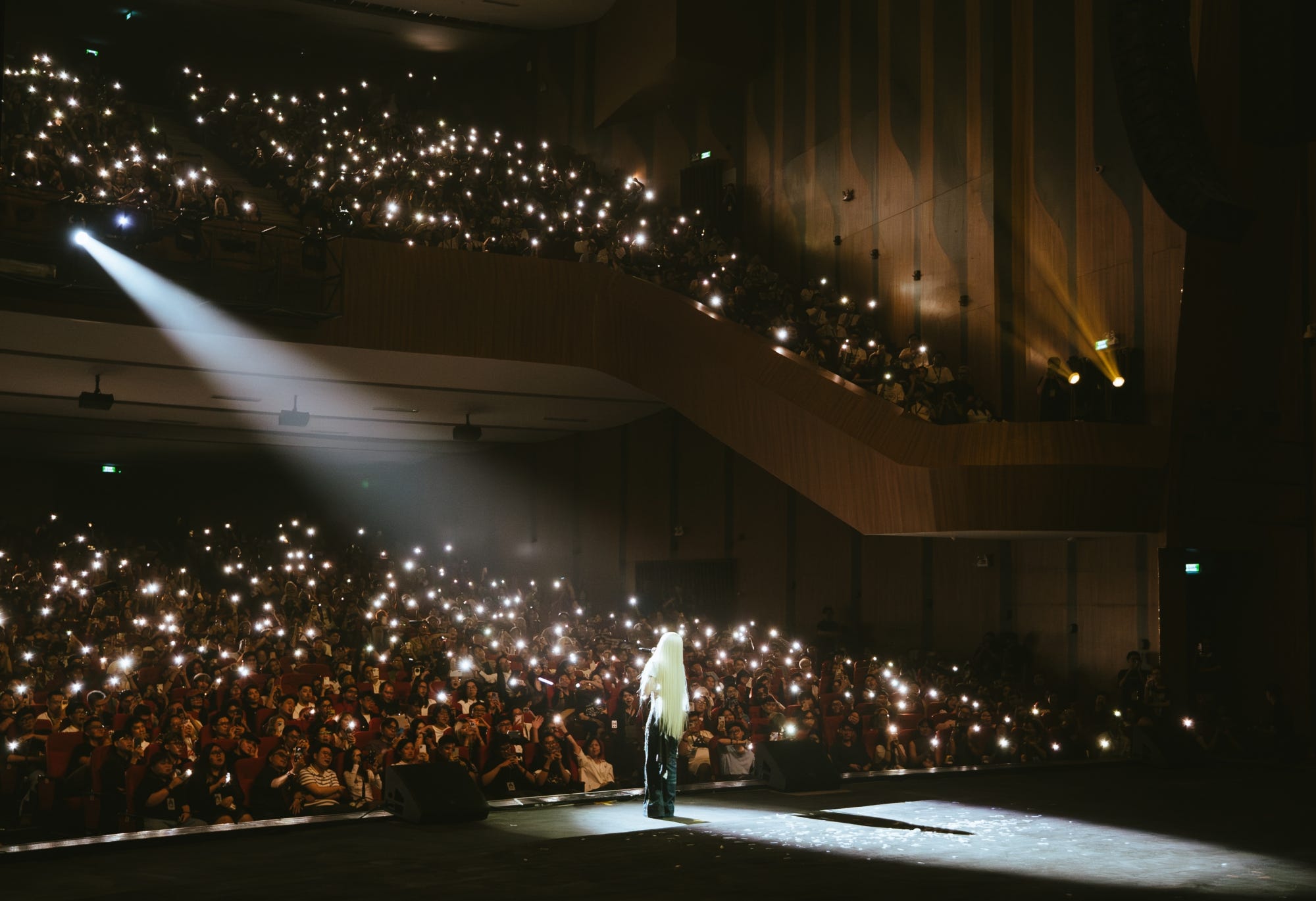
One of the most memorable moments of the Hanoi show came when thousands of fans turned on their phone lights and sang Hôm Nay Tôi Buồn together.
The song was originally written from Linh’s own experience of loneliness in Hanoi.
Years later, that personal feeling became a shared experience for thousands of people.
This is where emotional connection can become commercial value.
A song can generate streams.
But a song that makes people want to buy a ticket, travel to a venue, and sing together with the artist has a much longer commercial life.
From Concert to a Wider Business Ecosystem
This matters to businesses because a concert does not generate value for the artist alone.
A live event supports an entire network of businesses, including:
Venues
Stage production
Sound and lighting
Ticketing
Payment services
Security
Transportation
F&B
Hotels
Merchandise
Media and content
Sponsorships
The Ho Chi Minh City leg of Giữa Một Vạn Tour was held at Hoa Binh Theater on March 21, 2026 and was listed as Sold Out by 1ZONE.
The platform also positioned the event as a “Live Experience,” combining music, lighting, and stage production.
This points to a wider trend:
Entertainment is becoming part of Vietnam’s experience economy.
As concerts become more common, their economic impact can move beyond ticket sales.
A fan traveling from another city may also pay for a hotel, restaurant, transportation, shopping, and other activities.
The concert becomes one part of a much larger consumer journey.
A Large Audience Does Not Always Mean a Strong Community
From a business perspective, this may be the most important lesson.
A brand can have millions of views but still struggle to convert attention into sales.
Another brand may have a smaller audience but a much stronger community.
The journey can look like this:
Attention → Engagement → Ticket Purchase → Premium Experience → Repeat Attendance
This is the logic behind the fan economy.
The value of an audience is not only the number of people who know you.
It is also the number of people willing to spend their time, money, and attention on you.
Phùng Khánh Linh has spoken about writing more than 100 songs before finding the right material for her first album. At one point, she also sold products online to save money for music videos.
Her story shows that a strong brand is rarely built through one campaign.
It is built over time.
[Link nội bộ: Brand Building & Customer Ecosystem in Vietnam | Anchor text gợi ý: “building a strong brand and long-term customer community in Vietnam”]
What Does This Mean for Businesses?
For companies looking at Vietnam, the concert itself is only one example.
The bigger lesson is that consumers are increasingly willing to pay for experiences and a sense of belonging.
This creates several opportunities.
1. Sponsorship should be more than putting a logo on a wall
Brands can become part of the experience through payment services, F&B, transportation, exclusive products, or fan benefits.
2. Premium does not have to be for everyone
A small group of loyal customers may have a much higher willingness to pay if the experience and benefits are clearly different.
3. Community can create long-term value
A customer who returns several times can be more valuable than someone who sees an advertisement once.
4. Entertainment can create spillover demand
When an event attracts enough people, spending can move beyond tickets into hotels, restaurants, transportation, retail, and other services.
For businesses considering Vietnam, exploring the market and setting up business operations requires more than understanding market demand. It also means getting the right structure and local operations in place.
What Phùng Khánh Linh Is Showing Us
Giữa Một Vạn Tour is not the biggest concert in Vietnam.
And that is exactly why it is interesting.
An artist with a strong personal identity has built a community large enough to turn music into a live product and then into a commercial experience.
From the Vietnam Operations perspective, this is part of a wider shift:
Vietnam’s consumer economy is not only about what people buy. It is increasingly about what they are willing to experience.
Concerts, sports, travel, F&B, wellness, and entertainment are all part of the same broader trend:
experience-led consumption.
For foreign businesses watching Vietnam, this is a consumer trend worth paying attention to.
Conclusion: When Emotion Becomes a Market
Phùng Khánh Linh once sang about loneliness.
On August 8, more than 4,000 people sang those songs with her.
That is the interesting transformation:
Personal emotion → Community → Experience → Commercial value.
For businesses, the lesson is not simply:
“Organize a concert.”
It is:
Understand your community.
Understand what they are willing to pay for.
And build an experience that makes them want to come back.
That could become an increasingly important part of Vietnam’s consumer economy in the years ahead.
Vietnam Operations Take
For foreign companies considering opportunities in entertainment, consumer goods, hospitality, F&B, or the wider experience economy in Vietnam, market size is only one part of the picture.
Businesses should also look at:
how Vietnamese consumers spend;
what they are willing to pay for;
how communities are formed;
and which service ecosystems are growing around new consumer behavior.
This is where Vietnam Operations can help from understanding the market to planning and setting up actual business operations in Vietnam.
Planning to enter Vietnam or explore a new business opportunity?
Talk to Vietnam Operations about your market, business model, and next steps in Vietnam.